













EAA vs BCAA: Which Amino Acid Supplement is Right for You?

What are Amino Acids and Why Do You Need Them?
Amino acids are the fundamental building blocks of protein, playing a crucial role in numerous bodily functions. From synthesizing neurotransmitters and hormones to repairing body tissue and acting as an energy source, amino acids are indispensable. The human body requires 20 different amino acids to function optimally, which are categorized into three groups: essential amino acids (EAAs), non-essential amino acids (NEAAs), and conditionally essential amino acids (CEAAs).
Essential amino acids (EAAs) are those that the body cannot produce on its own and must be obtained through diet or supplements. The nine essential amino acids include histidine, isoleucine, leucine, lysine, methionine, phenylalanine, threonine, tryptophan, and valine. These amino acids are vital for muscle growth, muscle recovery, and protein synthesis, making them particularly important for athletes and fitness enthusiasts.
Non-essential amino acids (NEAAs), such as alanine, arginine, and asparagine, are produced by the body and do not need to be obtained from the diet. Despite their name, NEAAs are still crucial for various bodily functions, including protein synthesis and immune response.
Conditionally essential amino acids (CEAAs) are typically produced by the body but become essential under certain conditions, such as illness, stress, or pregnancy. Examples include arginine, cysteine, and glutamine. During these times, the body’s demand for these amino acids increases, necessitating dietary intake or supplementation.
Understanding the different types of amino acids and their roles can help you make informed decisions about your diet and supplementation, ensuring you meet your body’s needs for optimal health and performance.
Understanding Amino Acids
Amino acids are the building blocks of proteins, enzymes, and hormones that play crucial roles in nearly every bodily function. The human body requires 20 different amino acids, which are divided into essential, non-essential, and conditionally essential categories. This categorization helps us understand which amino acids we need to obtain from our diet and which ones our body can produce on its own.
Essential amino acids (EAAs) are a group of nine amino acids that the body cannot synthesize on its own, so they must be obtained through diet or supplements. These include histidine, isoleucine, leucine, lysine, methionine, phenylalanine, threonine, tryptophan, and valine. While BCAAs are beneficial, they cannot fully promote muscle protein synthesis without the presence of other essential amino acids found in sources like whey protein, which provide a complete amino acid profile necessary for effective muscle recovery and growth.
Non-essential amino acids (NEAAs), on the other hand, are produced by the body and include alanine, arginine, asparagine, and others. Conditionally essential amino acids are those that become essential only under certain conditions, such as illness or stress.
Essential Amino Acids (EAAs)
The nine essential amino acids (EAAs) are:
- histidine
- isoleucine
- leucine
- lysine
- methionine
- phenylalanine
- threonine
- tryptophan
- valine
These must be obtained from dietary sources or supplements as the body cannot produce them. EAAs are crucial for muscle protein synthesis and play vital roles in the creation of other nitrogen-containing compounds in the body.
Consuming EAAs is essential for stimulating muscle protein synthesis, leading to improved muscle growth, repair, and overall performance.
The significance of EAAs extends beyond muscle protein synthesis. They are involved in muscle repair and growth, immune function, energy production, and overall metabolism. Foods rich in EAAs include meat, fish, eggs, and dairy products.
Non-Essential Amino Acids (NEAAs)
Non-essential amino acids (NEAAs) are those that the body can produce on its own from other substances. There are 11 non-essential amino acids, including alanine, arginine, and others.
While they are termed ‘non-essential,’ these amino acids are still vital for various bodily functions, including protein synthesis, immune response, and energy production.
Conditionally Essential Amino Acids
Conditionally essential amino acids are those that the body needs to obtain from the diet only under certain conditions, such as illness, stress, or pregnancy. Arginine, cysteine, glutamine, tyrosine, glycine, ornithine, proline, and serine are examples of conditionally essential amino acids. During periods of stress or illness, the body’s demand for these amino acids increases, making supplementation necessary.
What are BCAAs?
Branched-chain amino acids (BCAAs) are a subset of essential amino acids, consisting of leucine, isoleucine, and valine. These three amino acids are known for their unique chemical structure that includes a branched-chain, which plays a crucial role in muscle metabolism and energy production during exercise.
- Leucine is crucial for muscle protein synthesis, helping to stimulate muscle protein synthesis and build muscles after a tough workout.
- Isoleucine supports energy production, immune function, and hemoglobin synthesis. During prolonged physical activity, it can be converted into glucose, providing a quick energy source.
- Valine aids in muscle repair, growth, and overall muscle health, ensuring efficient recovery after exercise.
EAA vs BCAA: Key Differences
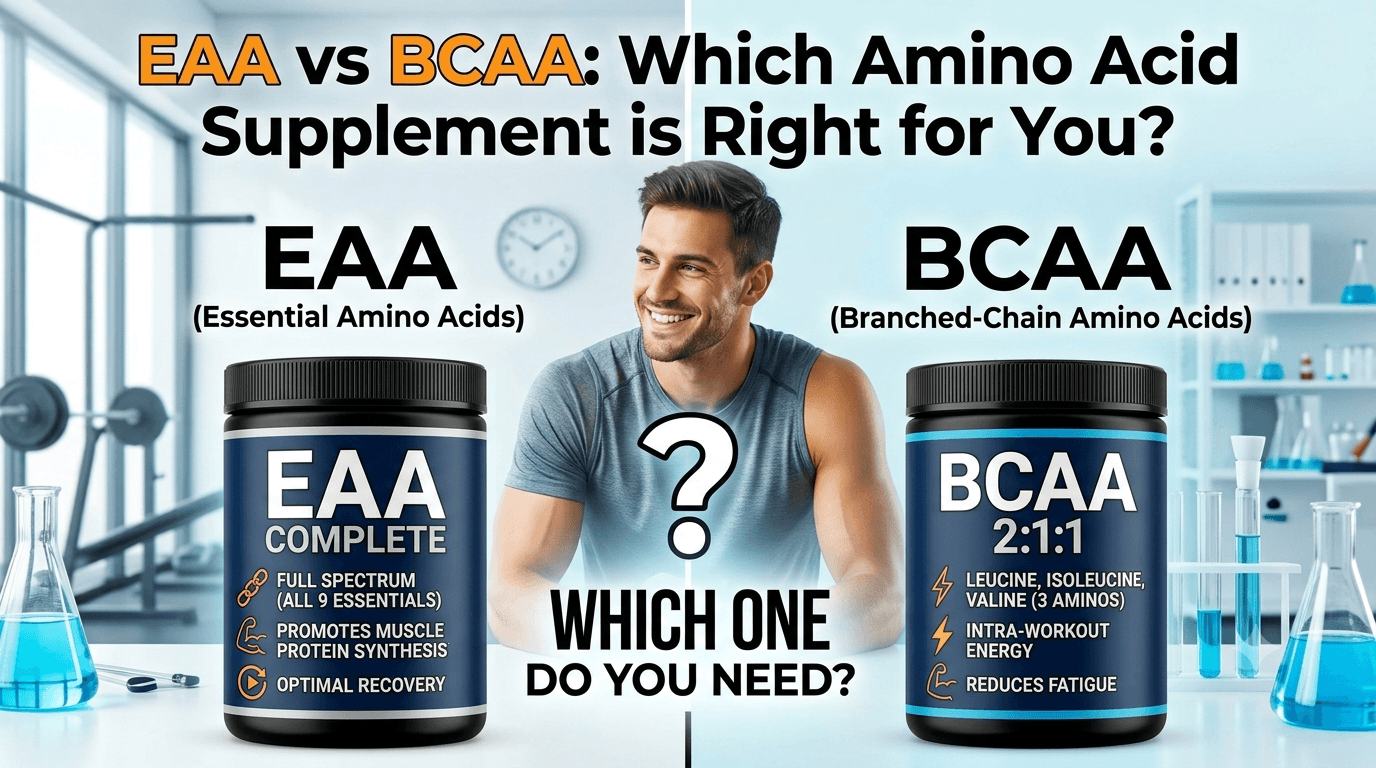
A primary difference between EAAs and BCAAs is their composition. BCAAs consist of three amino acids—leucine, isoleucine, and valine—while EAAs include all nine essential amino acids, offering a more comprehensive range of benefits for muscle growth and overall health.
Another key difference is their anabolic and catabolic effects. EAAs are more effective at promoting muscle protein synthesis and overall muscle growth, while BCAAs primarily assist in reducing muscle breakdown during exercise.
Both supplements have their unique benefits, and understanding these differences can help you choose the right one for your specific fitness goals.
Enhanced Muscle Protein Synthesis
Supplementing with free-form EAAs rapidly increases circulating EAA levels, stimulating muscle protein synthesis more effectively than intact protein sources. This enhanced protein synthesis aids in muscle recovery and growth, making EAAs vital for post-exercise nutrition.
Additional Health Benefits
Beyond muscle health, EAAs enhance mood by decreasing anxiety and promoting a positive mental state. They support neurotransmitter production, essential for mood regulation, and enhance immune function by aiding in antibody and immune cell production.
By boosting overall immunity, EAAs help the body defend against infections and illnesses.
Benefits of BCAAs for Athletic Performance
Branched-chain amino acids (BCAAs) can significantly enhance athletic performance by reducing post-workout muscle soreness and providing immediate energy during exercise. These benefits make BCAAs a popular choice among athletes and fitness enthusiasts looking to improve their performance and recovery times.
Who Needs Amino Acid Supplements?
Amino acid supplements can be particularly beneficial for individuals who engage in regular physical activity, such as athletes and bodybuilders. These supplements support muscle growth, muscle recovery, and protein synthesis, helping to enhance performance and accelerate recovery times. For those aiming to build muscle mass, amino acid supplements provide the necessary building blocks for muscle repair and growth, making them an essential part of a fitness regimen.
Individuals following restricted diets, such as vegan or vegetarian diets, may also benefit from amino acid supplements. These diets can sometimes lack sufficient amounts of essential amino acids, making supplementation a practical way to ensure adequate intake. By incorporating amino acid supplements, individuals can support their overall health and fitness goals, even with dietary limitations.
Moreover, amino acid supplements can help reduce muscle soreness and improve recovery after intense workouts. This makes them a valuable tool for anyone looking to optimize their training and minimize downtime due to muscle fatigue.
In summary, whether you’re an athlete, bodybuilder, or someone with specific dietary needs, amino acid supplements can play a crucial role in supporting your health and fitness objectives. By providing the essential amino acids your body needs, these supplements help you achieve better muscle growth, faster recovery, and enhanced overall performance.