








The Ultimate Protein Powder Guide: Whey, Beef, Isolate, Plant, and Hydrolyzed Explained

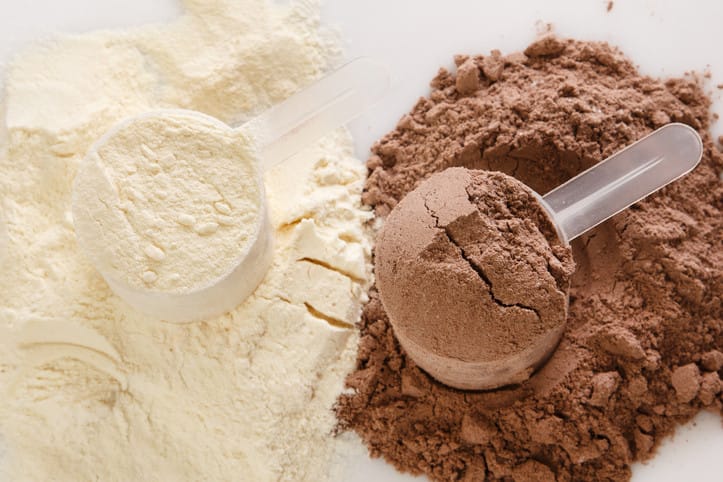
Walking into the supplement aisle can feel like decoding a foreign language. You’re just looking for a solid protein powder to help you recover from workouts, build muscle, or hit your daily nutrition goals. Instead, you’re hit with a wall of tubs shouting terms like Isolate, Hydrolyzed, Plant-Based, and Beef.
What do they actually mean, and more importantly, which one should you spend your hard-earned money on?
Let’s break down the five major types of protein powders so you can find your perfect match.
1. Whey Protein
If you’ve ever bought protein before, it was probably whey. Derived from milk during the cheesemaking process, whey is the undisputed king of the fitness world for a simple reason: it works incredibly well.
- The Breakdown: It is a “complete” protein, meaning it contains all nine essential amino acids your body can’t make on its own. It’s especially rich in leucine, the primary amino acid responsible for sparking muscle growth (muscle protein synthesis).
- Digestion Speed: Fast. It hits your muscles quickly, making it ideal for a post-workout shake.
- Best For: Everyday gym-goers, athletes, and anyone looking for great taste, smooth mixability, and affordable muscle recovery.
- The Catch: Because it’s dairy-based, it contains lactose. If you have a sensitive stomach, standard whey might cause bloating.
2. Isolate Protein (The Ultra-Lean Option)
You’ll often see the word Isolate right next to Whey. Isolate isn’t a different source of protein; it’s a different processing method.
The Breakdown: Protein manufacturers take standard protein (usually whey, but sometimes plant) and filter it down aggressively. This process strips away almost all of the extra carbohydrates, fats, and sugars. What you are left with is a powder that is usually 90% or more pure protein.
Digestion Speed: Very fast.
Best For: People on strict low-carb or low-calorie diets, and individuals with mild lactose intolerance (the intensive filtering removes almost all lactose).
The Catch: Because of the extra processing steps, isolates are more expensive than standard concentrates.
3. Hydrolyzed Protein / “Hydro” (The Pre-Digested Speedster)
If Isolate is filtered, Hydrolyzed protein is practically pre-chewed for your body.
- The Breakdown: “Hydro” protein goes through a process called hydrolysis, where enzymes break the complex, long chains of protein down into smaller segments called peptides. Your stomach doesn’t have to work hard to break it down because the factory already did half the job.
- Digestion Speed: Lightning fast. This is the fastest-absorbing protein on the market.
- Best For: Hardcore athletes training multiple times a day who need instant recovery, or anyone who experiences heavy bloating and GI distress from normal protein powders.
- The Catch: It carries a premium price tag. Additionally, because the proteins are broken down into peptides, unflavored hydrolyzed protein can taste quite bitter, requiring brands to use stronger flavorings.
4. Plant Protein (The Vegan-Friendly Alternative)
You don’t need dairy to build a great physique. Plant-based proteins have exploded in popularity and are higher quality now than ever before.
The Breakdown: These powders are sourced from peas, brown rice, hemp, soy, or pumpkin seeds. Because individual plant sources (like rice) often lack certain amino acids, high-quality brands create a plant blend (like pea + rice) to ensure you get a complete amino acid profile.
Digestion Speed: Medium to slow.
Best For: Vegans, vegetarians, anyone with strict dairy allergies, and eco-conscious consumers looking for a lower environmental footprint.
The Catch: Plant powders naturally have a slightly earthier, grainier texture than silky smooth whey. They also require a bit more liquid to mix properly.
5. Beef Protein (The Dairy-Free Carnivore Option)
Yes, you can drink your steak. Beef protein powder has carved out a loyal niche in the fitness community, particularly among the Paleo and Carnivore diet crowds.
- The Breakdown: Don’t worry—it doesn’t taste like beef broth. The protein is isolated from actual beef sources, hydrolyzed for absorption, and heavily flavored (usually chocolate or vanilla) to mask the base. It is naturally packed with collagen-forming amino acids.
- Digestion Speed: Fast to medium.
- Best For: People who want an animal-based, complete protein but are completely intolerant to dairy or whey. It’s heavily favored by CrossFitters and Paleo athletes.
- The Catch: It tends to foam up quite a bit when shaken. It also lacks the high level of leucine found in whey, meaning it isn’t quite as efficient for raw muscle building, though still highly effective.
Quick Comparison: Which One Wins?
| Protein Type | Sourced From | Lactose-Free? | Best Feature | Price Range |
| Whey Concentrate | Milk / Dairy | No | Great taste, budget-friendly | $ |
| Isolate | Milk / Dairy | Mostly (99%) | Ultra-low carb and fat | $$ |
| Hydrolyzed | Dairy or Beef | Varies | Easiest on the stomach | $$$ |
| Plant Blend | Peas, Rice, Hemp | Yes | Vegan, hypoallergenic | $$ |
| Beef | Bovine | Yes | Dairy-free animal protein | $$ |